Media center
8 Ways to Keep Contaminants Out of Your Cleanroom

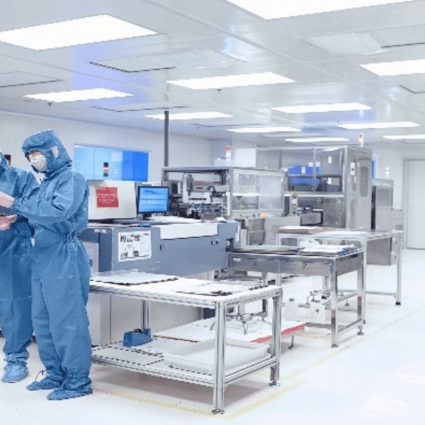
For certain manufacturing, assembly, medical, and other industrial applications, cleanrooms provide the highly specialized environment required. Cleanrooms have become much more common in a variety of industries, including aerospace, pharmaceuticals, nanotechnology, nutraceuticals, and medical devices, whereas in the past, they were only used by NASA or in the production of circuit boards.
Most cleanrooms are built to exacting standards that take into account temperature, air flow, air pressure, equipment, and fixtures. Despite all of this, maintaining a clean room is frequently the more difficult challenge.
Contamination-causing airborne particles pose the greatest threat to cleanrooms. Skin particles, fibers, dust, grease, bacteria, viruses, metals, fungi, ions, and film are all common contaminants. Even though cleanroom processes and procedures are usually made to control the environment, contamination can often come from secondary factors that aren’t always thought of or could be missed.
Here are 8 everyday ways to maintain cleanliness in your cleanroom:
Tip #1: Maintain the Right Temperature and Humidity
The majority of cleanrooms require an air temperature of 21°C (or 69.8°F) + 2°C and a relative humidity level of 30-40% RH. This is the ideal setting to stay away from many bad things, like bacteria growth, corrosion, and static electricity. Additionally, it is ideal for the essential comfort of employees. Employees release more particles into the environment when they sweat or shiver.
Tip #2: Use Cleanroom-Compliant Office Supplies
Common office supplies such as mouse pads, notebooks, sticky notes, paper, pens, and ID badge holders are among the most frequently overlooked sources of contamination. Most supplies can be purchased in cleanroom-friendly versions. It is essential that you keep these materials in your cleanroom. Contamination can occur even when a pen is moved from an office to a cleanroom. In cleanrooms, it’s also best not to put anything up on the walls, like sticky notes, which can spill particles.
Tip #3: Take into consideration the packaging of the supply
While the packaging may be compliant, not all of the materials you use in your cleanroom are. For instance, the cardboard box that delivers your nitrile cleaning gloves probably isn’t cleanroom-compliant if you order them because it could release particles into the air. The same applies to the other cleanroom materials you keep on hand.
Tip #4: Have the appropriate cleaning supplies
For your specific ISO Class, wipes, swabs, and other cleaning supplies should be rated for cleanroom use. Using the wrong kind of cloth or a paper towel can quickly compromise a cleanroom. Additionally, ensure that cleaning tools like brooms and mops meet the requirements. These supplies should be kept in your cleanroom and not used elsewhere in the facility.
Tip #5: Limit Unnecessary Talk
Saliva is released with each spoken word. Even though masks are frequently worn in cleanrooms, they are not always 100% effective. You can avoid emitting approximately 250 additional particles by speaking 100 fewer words, such as during a brief conversation. Even though talking is often required to complete a task, avoiding unnecessary speech can help prevent contamination.
Tip #6: Avoid personal items from outside
Even though personal hygiene guidelines are often covered in procedures, it’s important for cleanroom workers to avoid potential contaminants like perfume, make-up, and jewellery. Food, beverages, gum, and other items that are frequently used in the workplace should not be brought into the cleanroom.
Tip #7: Take into Account What to Do About Smoking
The ideal distance for any smoking areas from your cleanroom entrances is at least one hundred feet. Additionally, due to the possibility of contamination from smoking, some cleanroom documentation mandates that employees take a full shower after smoking and before entering the cleanroom.
Tip #8: Don Protective Gear from Top to Bottom
It’s best to wear protective clothing from top to bottom because particles are pulled down by gravity. Contaminants won’t fall onto clean areas of the garment as a result of this.
The majority of contaminants or particles found in cleanrooms originate from those who enter them. However, you can help safeguard the vital cleanroom environment by taking the appropriate precautions that take into account everyday behavior and objects.